Beginning with Collagen Peptides to Hormonal Peptides: The Diverse World of Peptides


Peptide chains are gaining recognition as formidable contenders in the field of restoration and cellular repair, capturing the attention of academic professionals, clinicians, and holistic practitioners alike. These short chains of amino acids, which serve as the building blocks of proteins, have shown notable versatility in their ability to facilitate recovery across multiple tissues. As scientific inquiry delves deeper into the mechanisms behind their actions, we are gradually understanding just how transformative peptides can be in treating problems ranging from dermal injuries to tissue degradation.
In a world that constantly seeks creative solutions for challenging health issues, the capabilities of peptides cannot be underestimated. From improving skin regeneration and minimizing scars to facilitating restore mobility in hurt joints, the applications seem boundless. With advancements in biomimicry and precision therapies, peptides are at the forefront of a clinical evolution, offering not just promise but tangible results for both sudden injuries and chronic conditions. Understanding how these noteworthy molecules work will enable us to tap into their complete potential for restoration, leading to enhanced outcomes and enhanced quality of life.
Peptide Processes in Healing
Peptides play a key role in the recovery process by functioning as communication molecules that facilitate communication within the body. They can influence various cellular activities, including inflammation, cellular migration, and repair mechanisms. When a tissue is injured, specific proteins are secreted, activating routes that lead to enhanced blood flow and the recruitment of defense cells to the area. This primary response is crucial for kickstarting the healing process, setting the stage for tissue regeneration.
As healing progresses, proteins contribute to the remodeling of the extracellular matrix, which provides physical support to tissues. They help stimulate fibroblast function, promoting collagen synthesis, and consequently enhancing skin integrity and elasticity. This restructuring phase is important not only for fixing wounds but also for minimizing scarring. By guiding the organization of collagen fibers, proteins ensure that the healed tissue restores its functional and aesthetic characteristics.
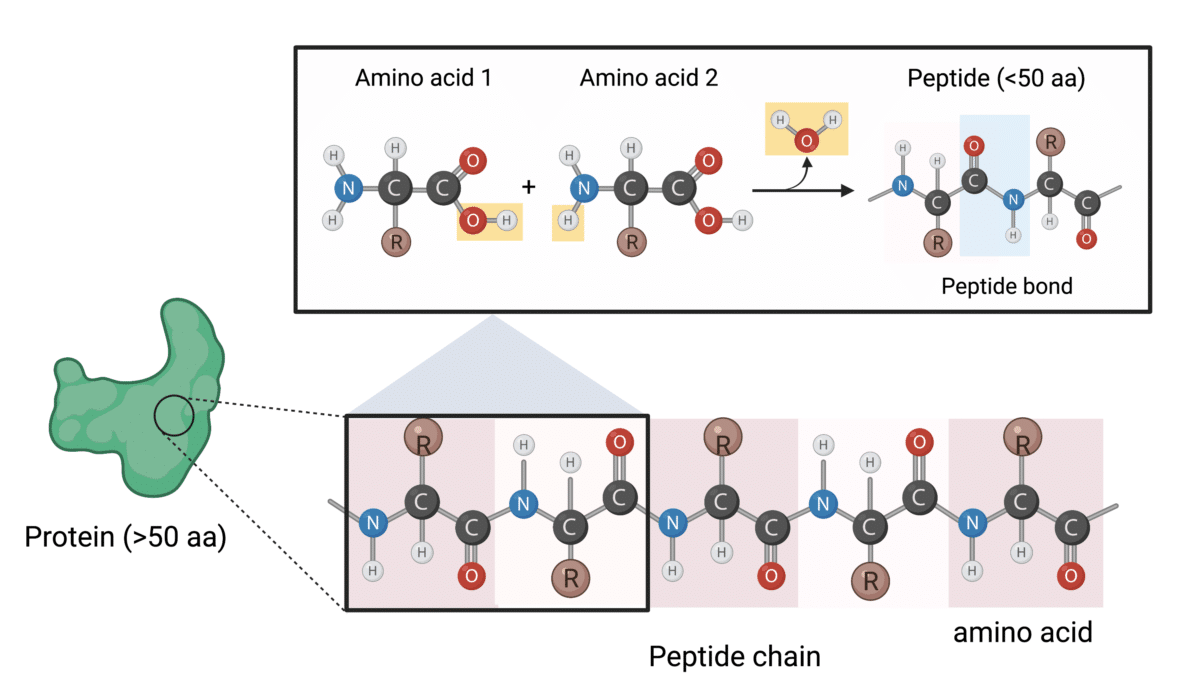
In addition, certain peptides have been recognized for their capability to specifically impact the regeneration of specific tissues, such as connective tissue and nerve cells. Research has demonstrated that these bioactive peptides can promote the proliferation of chondrocytes in cartilage repair and aid nerve growth factor production in spinal cord injuries. This targeted approach emphasizes the versatility of peptides, showcasing their potential to revolutionize treatment strategies across various healing contexts, from skin recovery to nerve regeneration.
Innovative Applications of Peptide Therapy
These molecules are increasingly recognized for their diverse applications in advanced healthcare treatments, particularly in restorative healthcare. Their distinct ability to mimic biological signals gives them a pivotal role in tissue repair processes. By enhancing cell-to-cell communication, these compounds can effectively enhance the healing of wounds by guiding fibroblast function, collagen formation, and angiogenesis. This biomimetic approach is changing standard methods of treatment, making peptides not just a additional option but a central component of treatment protocols.
In the field of articular health and movement, targeted peptides have shown promise in repairing cartilaginous tissue and supporting the healing of ligaments. The use of specific peptide solutions can accelerate the healing of injured tendon tissue and ligaments, notably improving recovery for sports persons and people suffering from chronic injuries. By targeting the pathways responsible for tissue regeneration, these peptides facilitate faster recovery and re-establish function more successfully than conventional therapies.
Beyond the direct uses, the integration of peptides in holistic healing approaches highlights their ability for addressing challenging conditions. Research into areas such as nerve regeneration and the gastrointestinal-skin axis is revealing the adaptability of these agents in treating systemic damage. By enabling recovery on diverse fronts, peptides are positioning themselves as a crucial part in enhancing patient care across multiple medical fields, including the study of the nervous system and skin health.
Protection and Prospects of Peptide Treatment
As the field of peptide-based therapy evolves, safety remains a key concern. Ongoing investigations has shown that the majority of peptides used in medical settings show a good safety profile profile. Medical studies have been key in identifying potential adverse effects and precautions, ensuring that peptide products are not only efficient but also safe for patient use. However, it is vital for practitioners to remain alert about the sourcing and integrity of peptide products, as and to monitor their patients closely for any negative responses during therapy.
Looking forward, the prospects of peptide therapy appears promising. Advancements in biotechnology are opening the way for tailored peptide-based designs, which could boost specific therapies for a variety of health issues. With the capability to create peptides that directly engage with cell processes, researchers are optimistic about breakthroughs in areas such as chronic injuries, joint health, and even nerve repair. This personalized approach offers the possibility of not only boosting recovery processes but also revolutionizing general cellular strength.
Moreover, as community knowledge of peptide-based treatments grows, there is anticipated to be an greater demand for scientifically supported treatments that leverage their distinct properties. Knowledge sharing and outreach will be crucial to educate both providers and patients about the advantages and applications of peptide therapy. By persisting to further our understanding of peptide compounds and their role in healing, we can anticipate to see a wider integration of these treatments into medical practice and a fresh era of personalized medicine.