Peptides for Athletic Performance: Improving Your Fitness Experience


In the dynamic world of fitness and wellness, the quest for peak performance regularly leads athletes to explore innovative solutions. One such area gaining momentum is the use of amino acid chains—small chains of amino acids that serve a crucial role in multiple biological processes. As our knowledge of these special molecules deepens, it is apparent that they have significant potential for improving not only athletic performance but also recovery, durability, and overall health.
Peptides are becoming recognized as essential agents in tissue repair and healing. Their capability to induce the body to initiate repair mechanisms makes them particularly attractive to athletes and fitness enthusiasts looking to improve their performance and recover faster from injuries. Ranging from promoting https://purepeptide.bg/ for skin health to aiding in the rehabilitation of joints and tendons, peptides offer a exciting avenue for those seeking to elevate their fitness journey. In this article, we will explore the fascinating science behind peptides, their applications in performance enhancement, and what the outlook looks like for this exciting field.
The Science of Protein Fragments in Healing
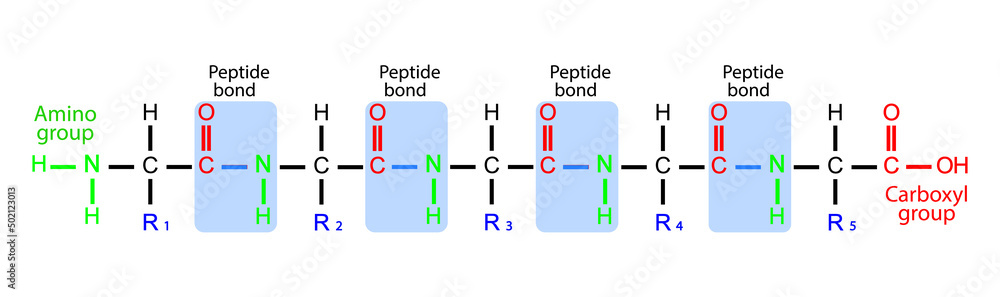
Protein fragments are small sequences of amino acids that play a key role in communication between cells and biological processes, making them essential in the field of recovery and tissue repair. When cells are damaged, these molecules act as signals that initiate various restorative processes, promoting the natural recovery of the body. Their capability to bind to specific receptors on cell membranes allows them to influence processes such as inflammation, collagen production, and cell movement, all of which are vital for successful healing of wounds.
In recent years, the scientific community has seen major advancements in the knowledge regarding peptide science, particularly in how peptide chains remodel wounds and aid tissue regeneration. Studies indicate that certain peptides can enhance the proliferation of connective tissue cells and keratinocytes, cells that are key players in the wound healing process. By encouraging these cells to move and synthesize extracellular matrix components, peptides contribute to the reconstruction of damaged tissues, thus shortening the time it takes to heal and enhancing results.
Moreover, the healing capability of peptides includes various applications, including skin care and sports medicine. For instance, surface peptides can reduce the appearance of scars and enhance skin elasticity by enhancing the production of collagen at the cellular level. In the field of sports recovery, peptides are under investigation for their ability to heal cartilage, connective tissues, and other musculoskeletal tissues, offering a hopeful avenue for improving recovery and performance. As research continues to evolve, the impact of peptide therapy in healing and regeneration are becoming more apparent, positioning peptides as a transformative tool in modern healthcare.
Implementations of Peptide Treatments
Peptide treatments has emerged as a groundbreaking method in the field of tissue repair and rejuvenation. One of its main applications lies in the treatment of injuries and damages. By using precision peptides, healthcare professionals can speed up the repair process, boost tissue reconstruction, and minimize visible scars. This approach marks a important advancement over traditional wound care methods, creating a more streamlined pathway to recovery. Scientists and healthcare providers are increasingly investigating on how specific peptide chains can regulate cellular behavior and strengthen tissue resilience, making it a promising area for further exploration.
In addition to wound care, peptide therapy provides remarkable gains for joint function. Studies have indicated that certain peptides can promote cartilage repair and promote mobility in those experiencing degenerative joint conditions. This aspect is particularly important for athletes and physically active individuals who suffer from recurrent injuries. By incorporating peptides into their rehabilitation plans, these individuals may be able to recover function more efficiently and thoroughly than with conventional treatments alone, thus improving overall performance and endurance in their athletic pursuits.
Peptide therapy is also progressing in the area of skin health and appearance. Surface peptides have been demonstrated to boost collagen production, thereby improving skin elasticity and reducing wrinkles. This component of peptide therapy not only addresses cosmetic concerns but also functions a crucial role in addressing chronic skin conditions and premature aging. As investigations expands, understanding the gut-skin axis and its connection with oral peptides is expected to reveal new possibilities for systemic healing, further demonstrating the versatility and effectiveness of peptides in enhancing comprehensive health and renewal.
Outlook of Peptide Developments in Recovery
As studies progresses, the opportunity for innovative peptide employments in rehabilitation is increasing swiftly. Scientists are steadily discovering new peptide sequences that aim at specific biological processes, leading to improved healing ends. This tailored approach facilitates for the development of peptide medications that can address various conditions more effectively than traditional treatments. By comprehending the distinct mechanisms through which peptides function, investigators can create custom compositions that accelerate recovery times and overall tissue resilience.
Moreover, the inclusion of peptides into existing recovery protocols is growing increasingly attractive. Athletes are investigating ways to enhance their healing processes with peptide therapies that complement their nutritional and lifestyle practices. As the knowledge of the gut-skin axis deepens, oral peptides may play a vital role in systemic recovery, creating a bridge between gut health and skin restoration. This integrated approach is likely to revolutionize how we perceive recovery, turning it a complex journey where peptides act as key factors in achieving optimal health and performance.
In the future, the collaboration between biotechnology firms and research entities hints at a hopeful future for peptide developments. The progress in genomics and personalized medicine are opening the way for customized peptide therapies tailored to individual needs. As these advancements increase, we can anticipate a shift in recovery methodologies, where peptides evolve into a standard part in rehabilitation strategies, particularly for chronic wounds, musculoskeletal injuries, and even age-related degeneration. The ongoing investigation of peptide applications paints a promising picture for the future of rehabilitation, rendering healing more efficient and beneficial.